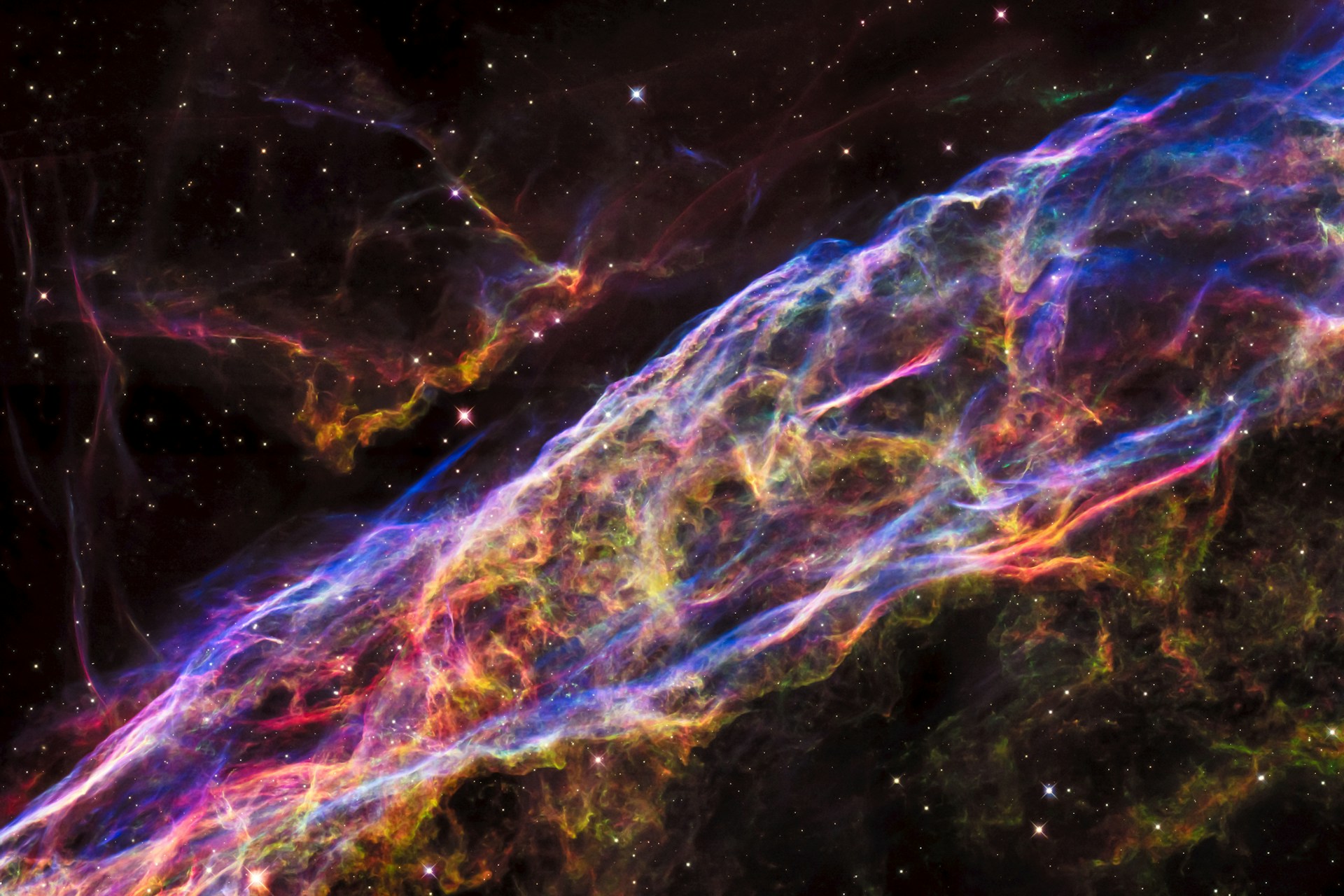
There is no known mechanism in cosmology, quantum mechanics, or any other branch of science where the universe tracks your generosity and sends you matching rewards. The universe is mostly vacuum, radiation, and indifferent thermodynamics. Supernovae do not check your moral ledger before exploding.
That said, the idea survives because it maps onto real social and psychological dynamics.
In human systems, reciprocity is powerful. If you consistently give value—competence, reliability, insight—people tend to respond in kind. Not because of cosmic bookkeeping, but because of evolved social incentives. Cooperation increases survival odds. Groups that rewarded fairness outcompeted groups that didn’t. Evolution hardwired a bias toward reciprocal exchange.
There’s also perception. When you adopt a generous, constructive orientation, you change your behavior: you notice opportunities, you build networks, you take risks, you follow through. Those behaviors create feedback loops. Outcomes improve. It feels like the universe responded. In reality, you shifted probabilities.
Psychology adds another layer: confirmation bias. Humans are exceptional pattern-detection machines, even when patterns are imaginary. When something good follows a positive action, we remember it. When it doesn’t, we rationalize it. The narrative survives because it’s emotionally satisfying.
Now, there is a more subtle truth hiding inside the cliché.
Complex systems—markets, ecosystems, social networks—operate through feedback. You input signals; the system responds. Not morally. Mechanically. If you inject value into a network, that increases your return surface area. If you inject hostility, entropy rises around you. This is not mysticism. It is systems theory.
The danger appears when the phrase becomes moralized. It can imply that misfortune is deserved. That is false and ethically corrosive. Randomness is real. Cancer does not arrive because someone “gave bad energy.” Earthquakes do not negotiate.
So the statement is not universally true. It is conditionally true within social feedback systems and behavior-driven probability shifts. The universe itself remains gloriously indifferent.
The mature view holds both: reality has no cosmic reward engine, yet your actions shape the local systems you inhabit. Meaning emerges not from universal karma, but from feedback loops you actively construct.
That distinction matters. It replaces magical thinking with agency.